FESTIVAL · DHANTERAS 2026
Dhanteras 2026 Story: King Hima, Date and Significance
Why are lamps lit for Yama on the first day of Diwali? A popular legend tells how courage, presence of mind and a night of light changed a prince's fate.
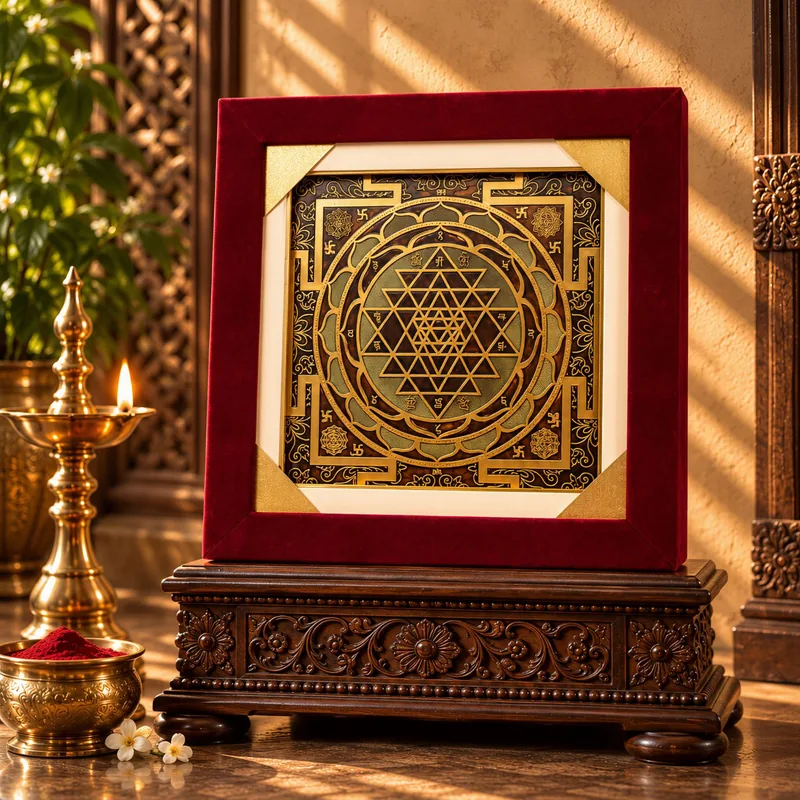
Dhanteras, also called Dhantrayodashi, opens the five-day Diwali festival. It is a day associated with health, prosperity, renewal and the lighting of lamps. Many families worship Lord Dhanvantari, Goddess Lakshmi and Lord Kubera, clean and decorate their homes, and make an auspicious purchase.
One of the most remembered explanations for the Dhanteras lamp tradition is the story of King Hima's son. It is best understood as a popular devotional legend passed through families and regional traditions, rather than as a single historical account.
What does Dhanteras mean?
The name combines dhan, meaning wealth, with teras, the thirteenth lunar day. The Sanskrit word Trayodashi also means the thirteenth day. Dhanteras is observed on Krishna Paksha Trayodashi, shortly before the main Diwali celebration.
Here, wealth has a wider meaning than money alone. The festival brings together aarogya, or health, the stability of the household, wise use of resources and gratitude for what sustains life. This is why Lord Dhanvantari's association with health stands beside the worship of Lakshmi and Kubera.
The Dhanteras story of King Hima's son
According to the popular legend, King Hima ruled with care and justice. His joy at the birth of a son was shadowed by an alarming prediction. Astrologers said that the prince would die from a snakebite when he reached his sixteenth year.
As the foretold time approached, fear spread through the royal household. The prince had by then married a young woman known for her courage and intelligence. When she learned of the prediction, she chose to meet the danger with alertness rather than surrender.
A wife's plan to protect the prince
On the appointed night, the princess asked her husband to remain awake. At the main entrance, she arranged her ornaments, gold and silver into a brilliant heap. Lamps were lit around the doorway, making the entrance glow. She sat beside her husband and sang songs and told stories so that sleep would not overcome him.
The jewellery and lamps were more than a display of wealth. Within the story, their light becomes a watchful barrier. The couple's wakefulness represents presence of mind at the moment of danger.
Lord Yama arrives as a serpent
At the predicted hour, Lord Yama, the deity associated with death and dharma, arrived in the form of a serpent. As the serpent approached the entrance, the shining ornaments and rows of lamps dazzled its eyes. Unable to enter, it remained near the doorway.
The princess continued singing through the night. The serpent listened, the hours passed, and the appointed time ended. With the moment of danger gone, Yama departed without taking the prince's life.
In the legend, light is joined with courage: the lamps illuminate the doorway, while wakefulness and presence of mind guard the household.
How the legend shaped Dhanteras traditions
The story is often connected with Yama Deepam or Yamadeepdaan. Families light a lamp for Lord Yama, commonly near the entrance of the home, with a prayer for protection from untimely death and for the long life of loved ones.
The gleaming ornaments in the legend are also used to explain the custom of buying gold, silver or useful household metal on Dhanteras. Yet the heart of the story is not simply the purchase. It is the mindful use of light, devotion and intelligence to protect the home.
Different regions and families may narrate the details differently. Some versions connect the predicted danger with the fourth day after the prince's marriage, while others associate it with his sixteenth birthday. The enduring idea remains the same: the princess keeps vigil, fills the entrance with light and prevents the serpent from reaching her husband.
The spiritual significance of Dhanteras
Dhanteras prepares the inner and outer home for Diwali. Cleaning the house can represent removing stagnation. Lighting a diya can represent awareness. Prayer for prosperity can become a commitment to use wealth responsibly. Remembering Dhanvantari places health at the beginning of the festive season.
For a simple observance, a family may clean the prayer space, light a diya safely, offer flowers or sweets, remember Lord Dhanvantari, Lakshmi and Kubera, and share a prayer for health and stability. Rituals vary, and there is no need to turn devotion into competitive shopping.
FROM THE ASHRAM
A sacred focus for the prayer space
Explore the Mahalakshmi Dhankumbh ShreeYantra, handcrafted and consecrated at the Yogi Adhiraaj Sewa Ashram in Madikeri. A yantra is a devotional instrument, not a guarantee of financial results.
Frequently asked questions
When is Dhanteras in 2026?
Dhanteras will be observed on Friday, 6 November 2026. Trayodashi spans parts of 6 and 7 November. Puja timing changes by city, so use a local panchang for the final muhurat.
Why is Dhanteras celebrated?
It marks the beginning of Diwali and is associated with prayers for health, prosperity and household well-being. Lord Dhanvantari, Goddess Lakshmi and Lord Kubera are commonly worshipped.
What is the moral of the King Hima story?
The story honours courage, intelligence, vigilance and devotion. The princess does not wait passively for fate. She remains awake, creates light and acts with presence of mind.
Why is a diya lit for Yama?
Yama Deepam is traditionally offered with a prayer for protection from untimely death and for the well-being of family members. Its connection with Dhanteras is commonly explained through the legend of King Hima's son.
What should one buy on Dhanteras?
Families often choose gold, silver, utensils or a useful household item. A considered purchase that suits the family's needs is more meaningful than buying under pressure.
Note: Festival timings are location-specific. The New Delhi timing above is provided as a reference and should be confirmed against the panchang followed by your family.